
A quick overview of implant materials
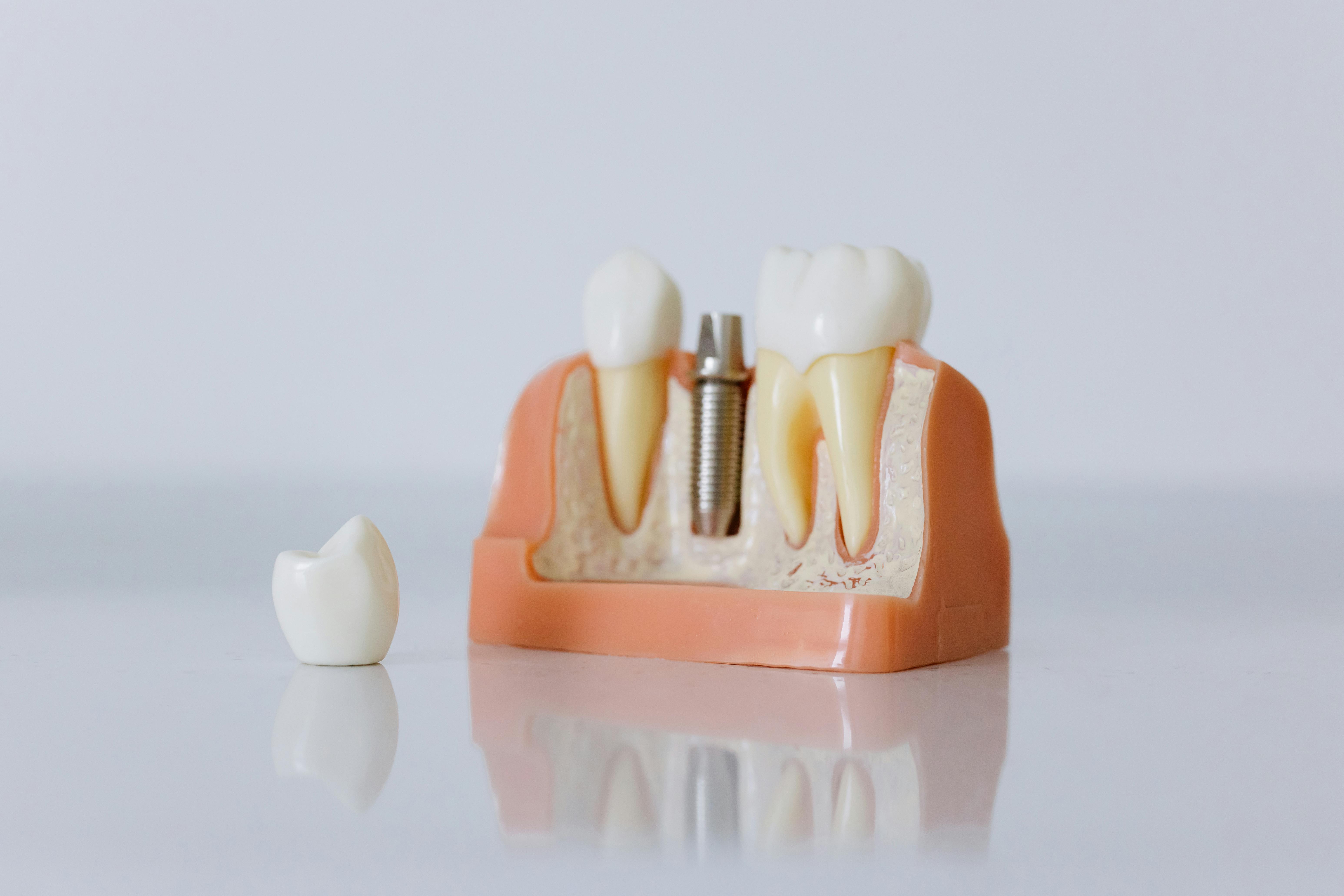
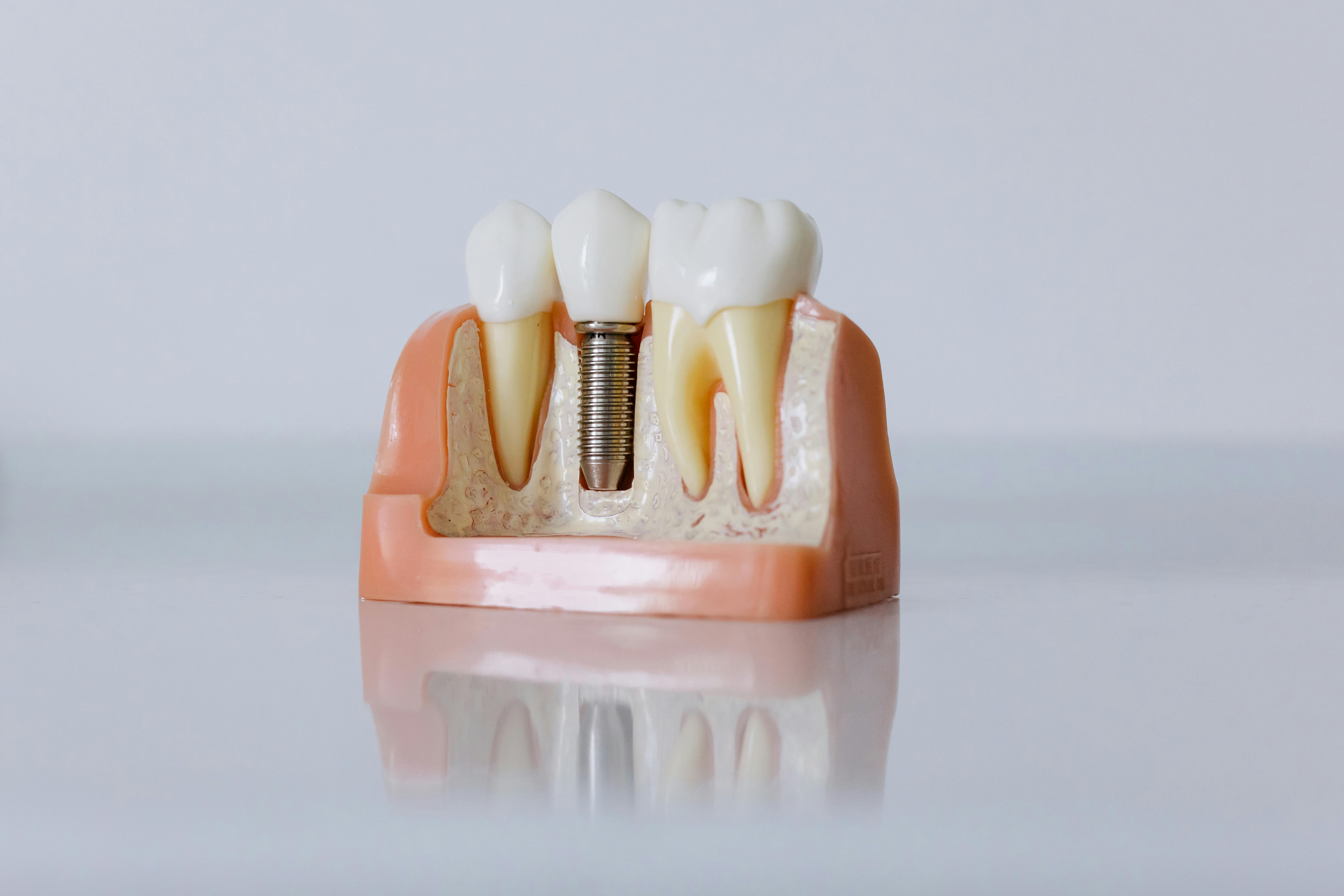
Dental implants are small posts placed in the jawbone to support a crown, bridge, or denture. Most implants are made from titanium or zirconia (ceramic). The American Dental Association’s patient resource notes that implants are made of titanium and other materials compatible with the human body.
Titanium implants
Why titanium is the most common choice
Titanium implants have been used for decades and remain the most widely placed implant type, largely because they have a strong long-term clinical track record and a wide variety of proven systems.
Many clinical publications and reviews highlight titanium’s biocompatibility and clinical success, and it is frequently recommended for endosseous implants.
When titanium is often preferred
Titanium is commonly recommended when:
- the case is complex (limited bone, challenging angles, multiple missing teeth),
- you need a highly customizable solution (often with two-piece implant systems),
- you have heavy bite forces or grinding/clenching,
- long-term evidence and flexibility are top priorities.
Zirconia implants (ceramic, metal-free)
Why patients consider zirconia
Zirconia implants are a metal-free alternative. People often choose them because they prefer ceramic materials, or because they want to optimize esthetics—especially in areas where the gum is thin and any grayish “shine-through” is a concern.
What the evidence says today
Current research is encouraging, but the overall evidence base is still developing compared with titanium. A major meta-analysis and consensus materials report promising 5-year outcomes for commercially available zirconia implants, while also emphasizing that more high-quality prospective studies and randomized trials are still needed.
A systematic review comparing zirconia and titanium found no statistically significant difference in survival at 12 months in the limited number of RCTs available—another sign that zirconia can work well, but also that more data is needed for strong long-term conclusions across systems.
When zirconia may be a good fit
Zirconia may be considered when:
- you strongly prefer a metal-free implant,
- the implant site is in a high-esthetic zone and the case is straightforward,
- your clinician recommends a zirconia system with evidence that matches your indication.
Titanium vs zirconia: the key differences
Clinical track record: Titanium generally has the deepest long-term clinical documentation and the broadest range of well-established systems.
Evidence for zirconia: Zirconia shows strong mid-term (around 5-year) performance in selected cases, but overall long-term evidence and the number of high-quality head-to-head trials are still more limited.
Esthetics: Zirconia is tooth-colored and can be appealing in the smile zone. Many highly esthetic outcomes are also achieved with titanium implants paired with ceramic (zirconia) restorative components, depending on the plan.
Restorative flexibility: Titanium systems often provide more options for complex restorations, especially in cases requiring advanced prosthetic planning.
“Metal-free” preference: Zirconia is the main clinically used metal-free implant option today.
What about “other” implant materials?
You may hear about titanium alloys or titanium–zirconium alloys. These are still metal-based and are typically used to optimize mechanical properties while retaining proven biocompatibility and implant behavior.
How your dentist chooses the best option for you
A professional implant consultation usually considers:
- Bone volume and density (and whether grafting is needed)
- Gum thickness and smile line (esthetic risk)
- Bite forces and habits (clenching/grinding)
- Location (front tooth vs molar has different demands)
- Type of restoration (single crown vs bridge vs full-arch)
- Your preferences (including metal-free choice)
FAQ
Are zirconia implants as successful as titanium?
Zirconia implants can perform very well, and meta-analyses report strong 5-year survival in selected indications, but titanium still has broader long-term evidence overall.
Is titanium safe in the body?
Titanium is widely used in dentistry and is commonly described as biocompatible with strong clinical success.
Which is better for front teeth?
Front-tooth cases are often esthetically demanding. The best choice depends on gum thickness, implant position, and restorative plan. Both materials can work well when planned correctly.
If you want the simplest takeaway: titanium is usually the go-to option for predictability and long-term evidence, while zirconia is a strong metal-free alternative for carefully selected cases, especially when esthetics and personal preference are central.
Learn more about our dental implants in Wethersfield, CT and find out which option is right for you.
Related Articles
- Why Dental Implants Are a Great Solution
- Signs You Need Dental Implants
- 6 Reasons to See a Dental Implants Professional
Ready to schedule your visit? Call (860) 430-4388 or visit our Contact Us page. Family Dental Center of Connecticut serves patients throughout Wethersfield, CT and Hartford County.