
Most people have been brushing their teeth since before they can remember, which is exactly why so many of us never stop to ask whether we are doing it well. In our Wethersfield, CT office, the patients who show up with new cavities or bleeding gums are rarely the ones who skip brushing altogether. They are usually brushing twice a day — just quickly, aggressively, or in the same three spots every time.
The good news is that technique is easy to fix, and the payoff is real: fewer fillings, healthier gums, and shorter cleaning appointments. Here is how our team walks patients through it.
Why Technique Matters More Than Force
Plaque is a soft, sticky film. It does not need to be scrubbed off — it needs to be wiped off, thoroughly, from every surface of every tooth. Pressing harder does not remove more plaque. What it does do is wear away enamel along the gumline and push gum tissue back, which is why we see so many patients with sensitive notches at the base of their teeth.
If the bristles on your toothbrush splay outward within a few weeks, that is your answer: you are pressing too hard. A brush should look roughly the same at week six as it did on day one, and it should be replaced every three to four months regardless.
How to Brush Your Teeth Properly
The Two-Minute Method
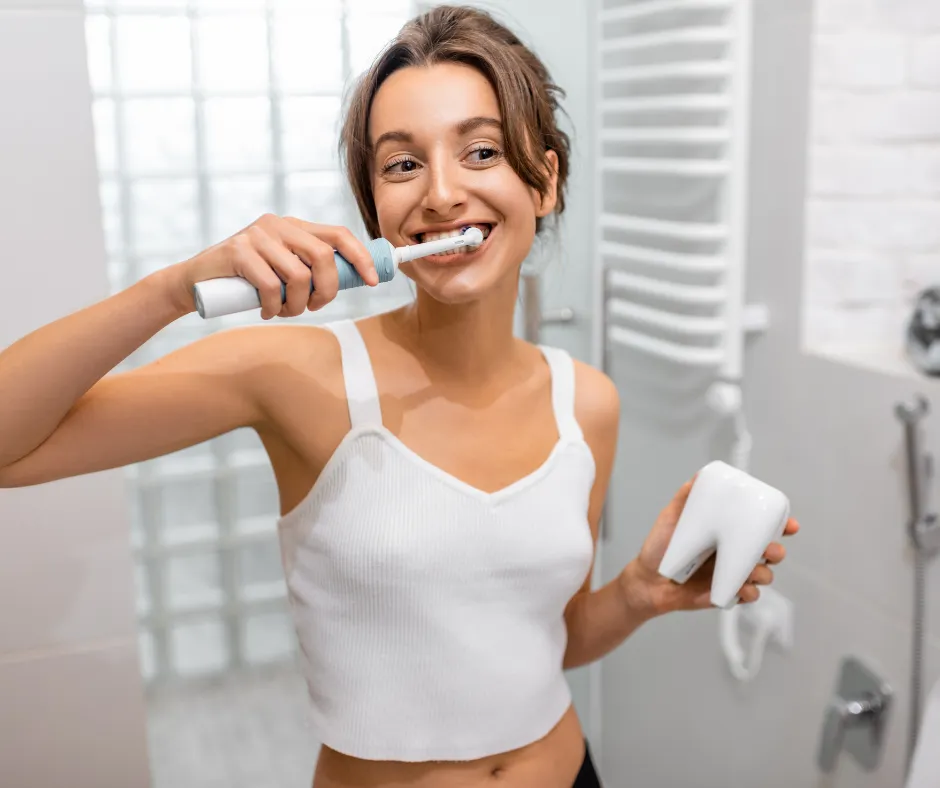
The American Dental Association recommends brushing twice daily for two minutes with a fluoride toothpaste and a soft-bristled brush. Two minutes feels much longer than most people expect, so split it up:
- Divide your mouth into four quadrants and give each one thirty seconds.
- Angle the bristles at 45 degrees toward the gumline rather than straight at the tooth. The plaque that causes gum disease collects right where tooth meets gum.
- Use short, gentle strokes or small circles — not long horizontal sawing motions.
- Do not forget the inside surfaces and the chewing surfaces of your molars, which are the most common cavity sites.
- Brush your tongue to cut down on the bacteria that drive bad breath.
One more habit worth changing: if you have had something acidic — citrus, soda, coffee, wine — wait about thirty minutes before brushing. Acid temporarily softens enamel, and brushing immediately can scrub away what you are trying to protect.
Electric or Manual?
Either can do the job well. A manual brush used correctly for two minutes beats an electric brush used carelessly for forty seconds. That said, most people do get better results with a powered brush, largely because the built-in timer keeps them honest and the oscillating head does the motion for them. Electric brushes are especially worth considering if you have arthritis or limited dexterity, wear braces, or have been told repeatedly that you are brushing too hard — many models have a pressure sensor that will tell you so.
How to Floss Without the Frustration
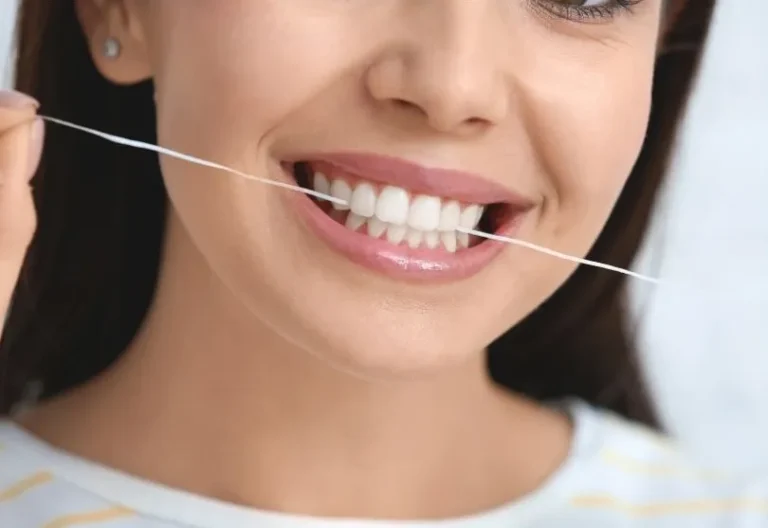
Brushing reaches roughly three of the five surfaces on each tooth. The two surfaces facing your neighboring teeth are where floss earns its keep — and where a surprising share of adult cavities begin. The ADA recommends cleaning between your teeth once a day.
The trick is to stop treating floss like a saw. Use about 18 inches, wind it around your middle fingers, and guide it gently between the teeth. Then curve it into a C-shape against one tooth and slide it up and down, just below the gumline, before repeating on the tooth next door. Snapping it straight down into the gum is what makes flossing hurt, which is why so many people quit.
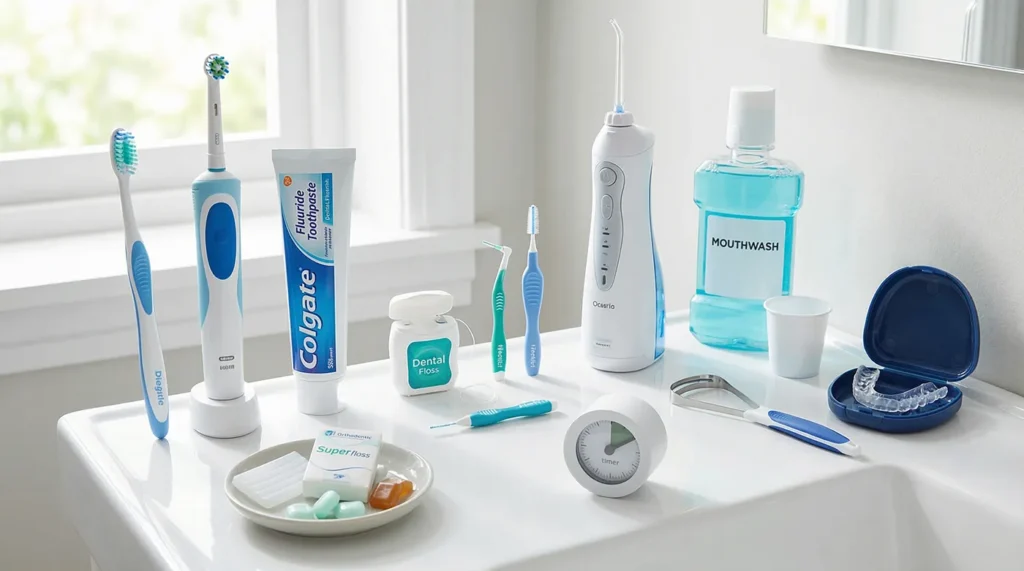
If traditional floss is a struggle, floss picks, interdental brushes, and water flossers all work. Patients with bridges, implants, or tight contacts often do better with a water flosser, and we are happy to show you how to use one at your next visit.
Expect a little bleeding for the first week if you have not flossed in a while. If it is still bleeding after two weeks, that is inflammation worth having us look at, not something to power through.
The Everyday Habits That Undo Good Brushing
Diet matters as much as technique. It is not the total amount of sugar that drives decay so much as how often your teeth are exposed to it. A dessert eaten in ten minutes is easier on your enamel than a sweetened iced coffee sipped over three hours, because each sip restarts the acid attack. Sports drinks and sticky dried fruit are quiet offenders.
Water is your simplest tool. Rinsing after meals and staying hydrated keeps saliva flowing, and saliva is the body’s own defense against decay. If you take medications that cause dry mouth, tell us — it meaningfully raises cavity risk and there are ways to manage it.
Where Professional Cleanings Fit In
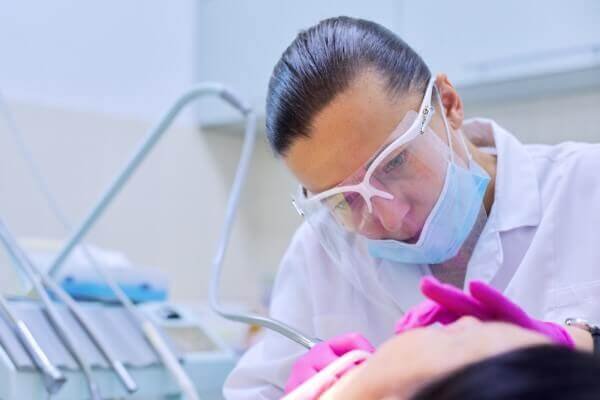
Once plaque hardens into tartar, no toothbrush will remove it — that requires professional instruments. Regular cleanings and exams also catch the problems you cannot see or feel yet: decay between teeth, early gum recession, a cracked filling, or a spot of enamel wear that signals grinding. Most patients do well on a six-month schedule, though some need cleanings more often depending on gum health.
Dr. Maher Kasabji and our hygiene team have cared for families across Wethersfield, Hartford, Newington, Rocky Hill, and the rest of Hartford County for more than 25 years, and part of every appointment is showing you exactly which areas your brushing is missing. It is much easier to correct a habit when you can see the evidence.
Schedule a Cleaning in Wethersfield, CT
If it has been more than six months since your last visit, or if your gums bleed when you brush, now is a good time to come in. Call us at (860) 430-4388 or use our contact page to request an appointment. You can also learn more about our routine dental care services. We are at 365 Maple St, Wethersfield, CT 06109, open Monday and Wednesday through Friday from 8am to 6pm (on Tuesdays our team is at our Enfield office).