1. Sleep and Immune System — Why It Matters for Your Mouth
- Adequate sleep supports a strong immune system, which helps your body fight off infections — including those in gums and oral tissues.
- Chronic sleep deprivation can weaken your immune response, making you more susceptible to bacterial infections in the mouth — a common cause of gum disease and periodontitis.
Takeaway: Sleep well to help your body naturally defend against oral infections.
2. Less Sleep = More Gum & Periodontal Problems
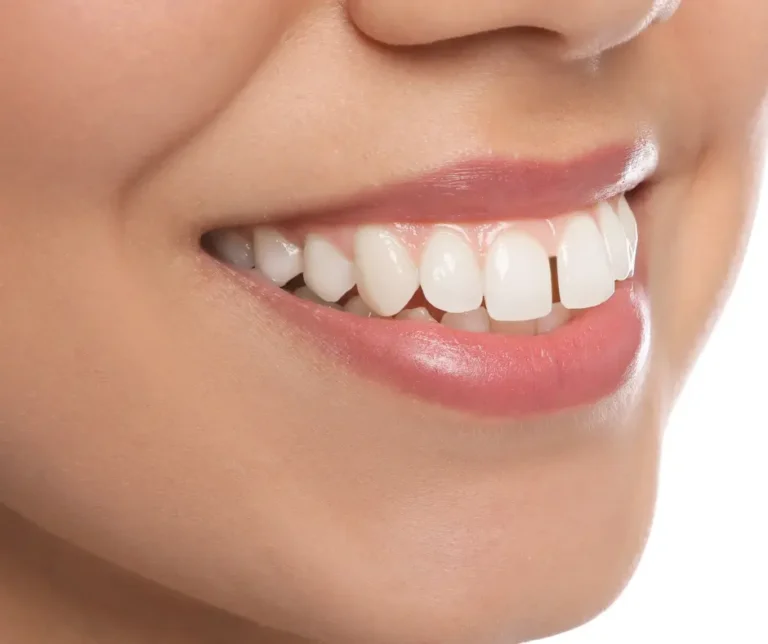
- A recent review found a clear association between poor sleep (short duration, low quality) and increased risk of gum disease (gingivitis, periodontitis).
- Sleep disorders — like insomnia or fragmented sleep — are also linked to worsened periodontal health.
What you might notice: swollen or bleeding gums, tender gums, or gums that recede more quickly than expected.
3. Sleep and Saliva Production — Why “Dry Mouth” Is a Dental Red Flag
- Poor sleep, as well as sleep disorders, may reduce saliva flow (or lead to breathing through mouth during sleep), causing dry mouth (xerostomia).
- Saliva is vital: it neutralizes acids, helps wash away food particles and bacteria, and protects tooth enamel.
- When saliva is low, risk increases for tooth decay, enamel erosion, bad breath, gum inflammation, and other oral health issues.
Tip: If you wake up with dry mouth often, or breathe through your mouth while sleeping — that can signal trouble for your oral health.
4. Sleep Disorders, Bruxism & Jaw Problems
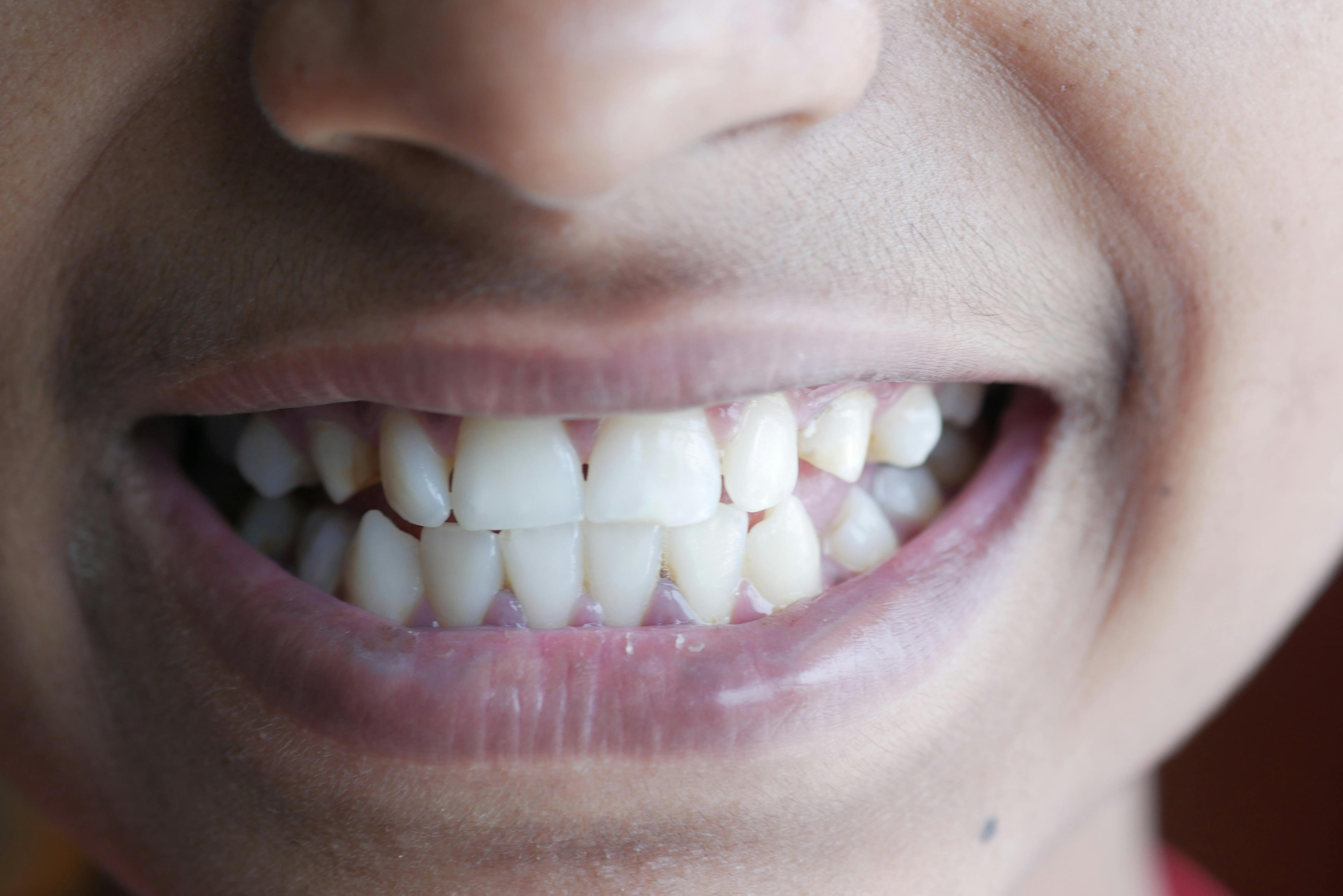
- Sleep disorders (like Obstructive Sleep Apnea — OSA, insomnia, frequent awakenings) are associated with dental issues such as tooth wear, jaw clenching/grinding (bruxism), TMJ disorders, and other oral complications.
- Grinding or clenching during sleep can lead to worn enamel, cracked or fractured teeth, jaw pain, headaches, or sensitivity.
If you have: morning jaw pain, headaches, worn tooth surfaces — talk to your dentist about possible sleep-related causes.
5. Sleep, Lifestyle & Oral Hygiene — The Indirect Connection
- Poor sleep often correlates with stress, fatigue, irregular eating habits, all of which can worsen oral hygiene routines (skipped brushing, unhealthy snacking, etc.) — further raising dental risk.
- Also, habits like mouth breathing while sleeping can exacerbate dryness, plaque build-up — a known risk for gum disease and decay.
Holistic view: Good oral health isn’t only about brushing — sleep quality and lifestyle matter too.
Practical Tips — How to Protect Your Oral Health Through Better Sleep

| What to Do | Why It Helps Your Mouth |
|---|---|
| Aim for 7–9 hours of quality sleep per night | Supports immune function and helps fight oral infections |
| Stay well hydrated; avoid alcohol/caffeine before bed | Prevents dry mouth, supports saliva production |
| Address nasal congestion or breathing issues (consult doctor/dentist) | Reduces mouth-breathing, dryness and related risks |
| Maintain good oral hygiene even when tired | Counteracts risk from stress, dry mouth, bacterial build-up |
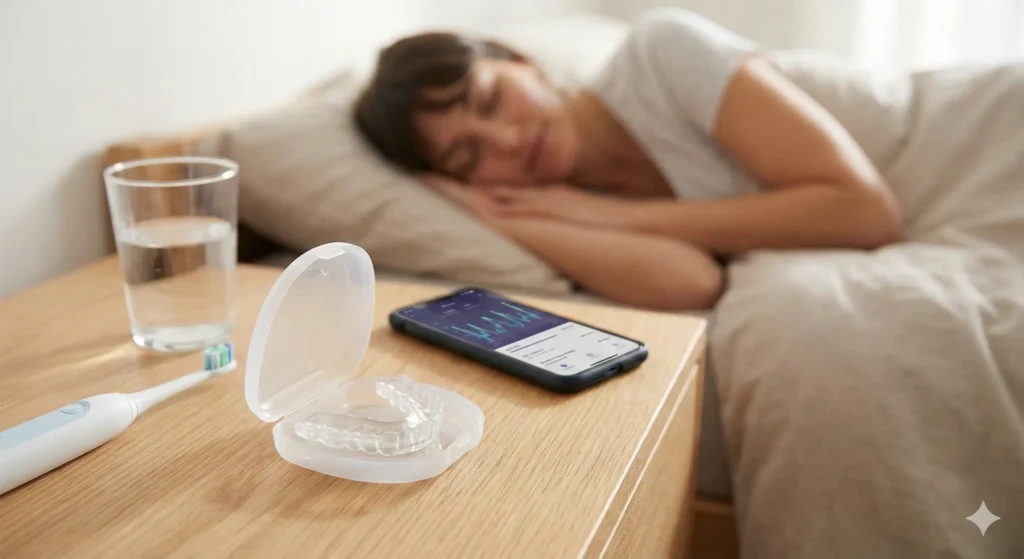
| If you grind/clench teeth — consider a night guard & evaluation | Prevents enamel wear, jaw pain, fractures |
| Regular dental check-ups + mention sleep issues to dentist | Early detection of sleep-related oral problems (gum disease, decay, etc.) |
Conclusion
You might think sleep and dental health are unrelated — but in reality, they’re tightly connected. Poor sleep quality can reduce your body’s defenses, lower saliva production, increase inflammation and lead to gum disease, cavities or even tooth damage from grinding.
Investing in good sleep habits isn’t just about feeling rested — it’s about protecting your smile, your oral health, and your overall wellness. If you suspect your sleep (or breathing during sleep) affects your teeth or gums — bring it up with your dentist.
Our routine dental care team in Wethersfield, CT can help identify and address sleep-related oral health concerns at your next check-up.
Ready to schedule your visit? Call (860) 430-4388) or visit our Contact Us page. Family Dental Center of Connecticut serves patients throughout Wethersfield, CT and Hartford County.