
Fall sports season is underway across Hartford County, and helmets, shin guards, and cleats are already packed in the car. The one piece of protective gear that gets forgotten most often is also one of the cheapest: a properly fitted sports mouthguard. At Family Dental Center of Connecticut in Wethersfield, CT, we see the results of that oversight every fall — chipped front teeth, split lips, and the occasional knocked-out tooth that could have been avoided entirely.
Here is what parents and adult athletes in Wethersfield, CT should know before the next practice.
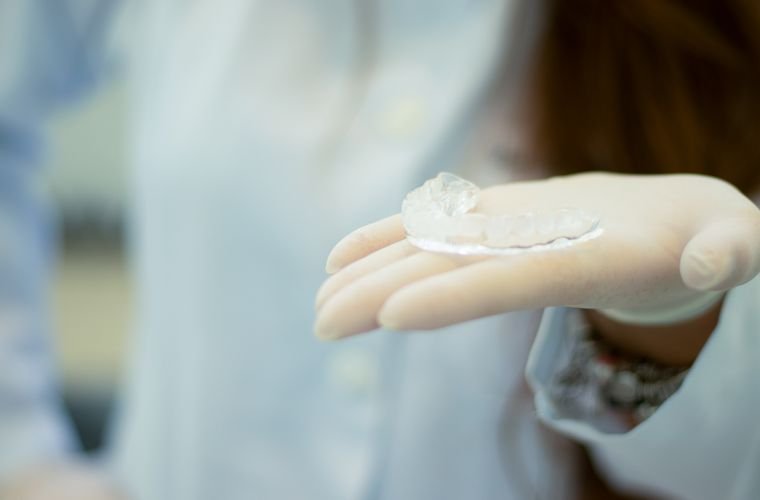
Why a Mouthguard Is the Most Overlooked Piece of Sports Gear
The American Dental Association has promoted mouthguard use for decades, and the research behind that position is consistent. A 2007 meta-analysis of team contact sports found the risk of orofacial injury was 1.6 to 1.9 times higher in players who did not wear a mouthguard of any type, and a 2019 systematic review concluded that non-users faced more than double the risk of orofacial injury compared with users. You can read the ADA’s full summary on athletic mouth protectors.
Most families assume mouthguards are a football-only concern. They are not. The NFHS and NCAA currently mandate mouthguards in football, lacrosse, and field and ice hockey — but one study found that basketball players had the highest incidence of dental trauma among intercollegiate athletes. Soccer, wrestling, skateboarding, and even gymnastics all carry real risk of a tooth injury, and none of them require a mouthguard by rule.
Adult recreational athletes count too
Plenty of our Wethersfield, CT patients are adults in a weeknight basketball or hockey league. A replacement crown or an implant after a lost tooth costs far more than a mouthguard, and it takes considerably more of your time.
The Three Types of Mouthguards, Compared
The ADA recognizes three categories. They differ in fit, comfort, and cost.
Stock (ready-made). These come pre-formed in a handful of sizes off the shelf at a sporting goods store. They are the cheapest option and the least effective — they do not adapt to your mouth, and they require you to keep your jaw clenched to hold them in place. Athletes tend to take them out, which defeats the purpose.
Boil-and-bite. You soften the guard in hot water and bite into it to form a rough impression. These are a real improvement over stock guards and are widely available. Follow the manufacturer’s heating instructions carefully — a rushed job produces a shallow, poorly retained fit. If your child wears braces, have us help with the final molding.
Custom-fitted. We take an impression of your teeth and fabricate the guard to your exact anatomy. Custom guards offer the best combination of fit, retention, and comfort, and one comparative study found patients simply wear them more consistently. That last point matters more than any material property: the best mouthguard is the one that is actually in your mouth during the game.
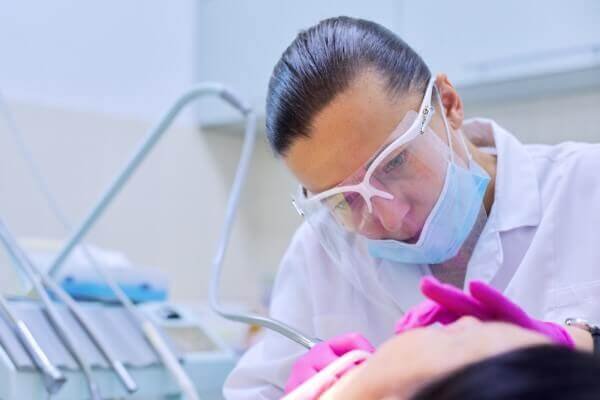
What a Custom Mouthguard Fitting Involves
The process is short and completely painless. At our Wethersfield office, Dr. Maher Kasabji or a member of our team takes a digital scan or impression of your upper arch, checks your bite, and sends the specifications to the lab. You come back for a quick fit check, we adjust any high spots, and you leave with a guard that stays put through a full game.
Most patients pair the fitting with a routine cleaning, which saves a trip. You can learn more about our sports mouthguards and injury prevention or schedule alongside a standard routine dental visit.
Caring for a Mouthguard — and Knowing When to Replace It
- Rinse before and after every use with cool water, and brush it occasionally with a soft toothbrush.
- Store it in a vented case, never loose in a gym bag where it can warp or collect bacteria.
- Keep it away from heat — a hot car dashboard will deform the material permanently.
- Bring it to checkups so we can inspect it for tears, thin spots, and fit.
Growing children need replacements more often than adults do, sometimes every season, because erupting teeth and a changing jaw quickly outpace last year’s guard. If a guard is torn, chewed through, or no longer snaps into place, it has stopped protecting anything.
If a Dental Injury Happens Anyway

Act fast. If a permanent tooth is knocked out, pick it up by the crown rather than the root, rinse it gently, and if you can, place it back in the socket — otherwise keep it in milk or the athlete’s own saliva and get to a dentist immediately. Time is the single biggest factor in whether a tooth can be saved. For chips, cracks, or a tooth pushed out of position, call us the same day. Our emergency dental care page walks through what qualifies as urgent.
Get Fitted Before the Season Gets Away From You
A custom mouthguard is one of the least expensive pieces of protective equipment your athlete will ever own, and it protects something that does not grow back. Family Dental Center of Connecticut has served Wethersfield, Newington, Rocky Hill, Glastonbury, and families throughout Hartford County for more than 25 years.
Call us at (860) 430-4388 or request an appointment online to schedule a mouthguard fitting. We are open Monday through Friday, 9am to 6pm, at 365 Maple St, Wethersfield, CT 06109.