


Starting your child on the right path with dental care can make a world of difference — not just for their smile today, but for their overall oral health throughout their life. Many parents in Wethersfield, CT and across Hartford County ask when they should bring their child in for a first visit, what to expect at that appointment, and how to help their little ones develop healthy habits at home. Here is a practical guide to pediatric dental care from the team at Family Dental Center of Connecticut.
When Should My Child First See a Dentist?
The American Dental Association (ADA) recommends scheduling your child’s first dental visit within six months of their first tooth appearing, or by their first birthday — whichever comes first. This early visit is less about a full cleaning and more about building comfort with the dental environment and giving parents guidance on how to care for emerging baby teeth.
Baby teeth matter more than many parents realize. They help children chew properly, support speech development, and hold space in the jaw for incoming permanent teeth. Losing baby teeth too early due to decay can lead to crowding and alignment issues later on. If you live in Wethersfield, CT or a nearby community such as Hartford, Newington, Rocky Hill, or Glastonbury, starting dental visits early sets the stage for a lifetime of healthy smiles.
What to Expect at Your Child’s First Dental Appointment
A Gentle, Friendly Introduction
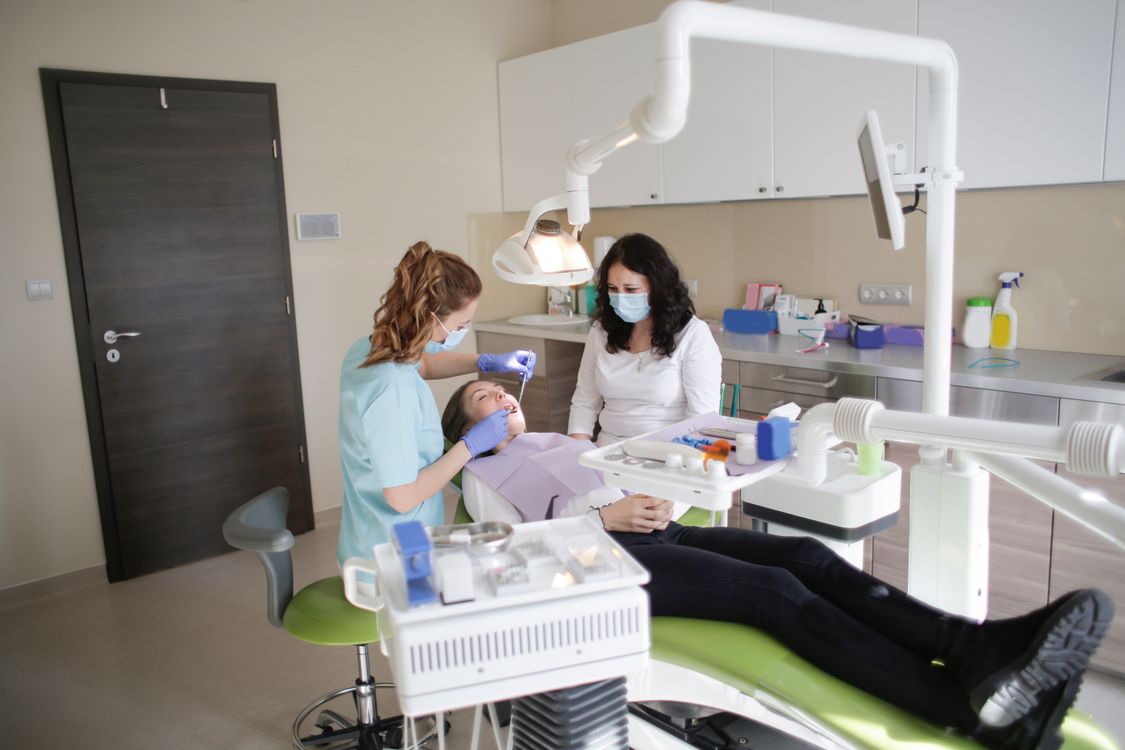
At Family Dental Center of Connecticut, Dr. Maher Kasabji and our team take time to introduce instruments gently, explain what each tool does in simple terms, and encourage children to ask questions. There are no surprises and no pressure. Our goal is to make every child’s first visit a positive, even fun, experience — because a child who feels comfortable at the dentist is far more likely to maintain regular care as they grow.
What the Exam Covers
During a routine pediatric dental visit, we typically examine the teeth, gums, jaw, and bite for early signs of concern, perform a gentle cleaning to remove plaque buildup, apply fluoride treatment if age-appropriate, and review brushing and flossing technique with parents. X-rays are taken only when clinically necessary based on the child’s age and risk factors.

Sealants and Fluoride: Simple Treatments That Make a Big Difference
Two of the most effective preventive treatments for children are dental sealants and fluoride applications. Sealants are thin, protective coatings applied to the chewing surfaces of back molars, where cavities most frequently form. According to the Centers for Disease Control and Prevention (CDC), school-age children without sealants have almost three times more cavities than those who have them.
Fluoride strengthens tooth enamel and makes it more resistant to decay. Professional fluoride treatments provided during dental visits offer a higher concentration than what is found in standard toothpaste, providing an added layer of protection that is especially valuable during the cavity-prone elementary school years.
If you have questions about whether your child is a good candidate for sealants or fluoride, our Wethersfield, CT team is happy to discuss the options. You can also explore our preventive services on our Routine Dental Care page.
Building Healthy Habits at Home: Age-by-Age Guidance
Good oral hygiene starts long before a child can brush on their own. Here is a simple breakdown of what parents should focus on at each stage:
- Infants (0–1 year): Wipe gums gently with a clean, damp cloth after feedings. Once the first tooth appears, begin brushing with a soft infant toothbrush and a tiny smear of fluoride toothpaste.
- Toddlers (1–3 years): Brush twice daily using a pea-sized amount of toothpaste. Parents should do the brushing at this stage — young children do not yet have the dexterity to do it effectively on their own.
- Preschoolers (4–6 years): Introduce flossing once teeth begin to touch. Continue supervising brushing to ensure thoroughness, and let children practice on their own as a learning exercise.
- School-age children (7+): Children can begin brushing more independently, though periodic supervision is still helpful. This is also the ideal time to reinforce that skipping brushing — even once — can matter, because permanent teeth need to last a lifetime.

How Often Should My Child Visit the Dentist?
For most children, twice-yearly dental visits are the standard recommendation. These regular dental cleanings and examinations allow our team to monitor your child’s development, catch cavities before they become larger problems, and reinforce healthy home habits. Some children with a higher risk of tooth decay may benefit from more frequent visits — something we evaluate on an individual basis.
Families across Hartford County — including those in South Windsor, Cromwell, and beyond — trust Family Dental Center of Connecticut for comprehensive dental care that grows with their children from infancy through their teenage years and into adulthood.
Schedule Your Child’s Appointment in Wethersfield, CT
Whether it is your child’s very first dental visit or a routine six-month cleaning, we are here to help your whole family smile with confidence. Our office at 365 Maple St, Wethersfield, CT is open Monday and Wednesday through Friday, 8am–6pm (on Tuesdays our team is at our Enfield office), and our friendly team is always happy to answer your questions about your child’s care.
Call us today at (860) 430-4388 or visit our Contact Us page to schedule an appointment. We look forward to being your family’s dental home for years to come.