
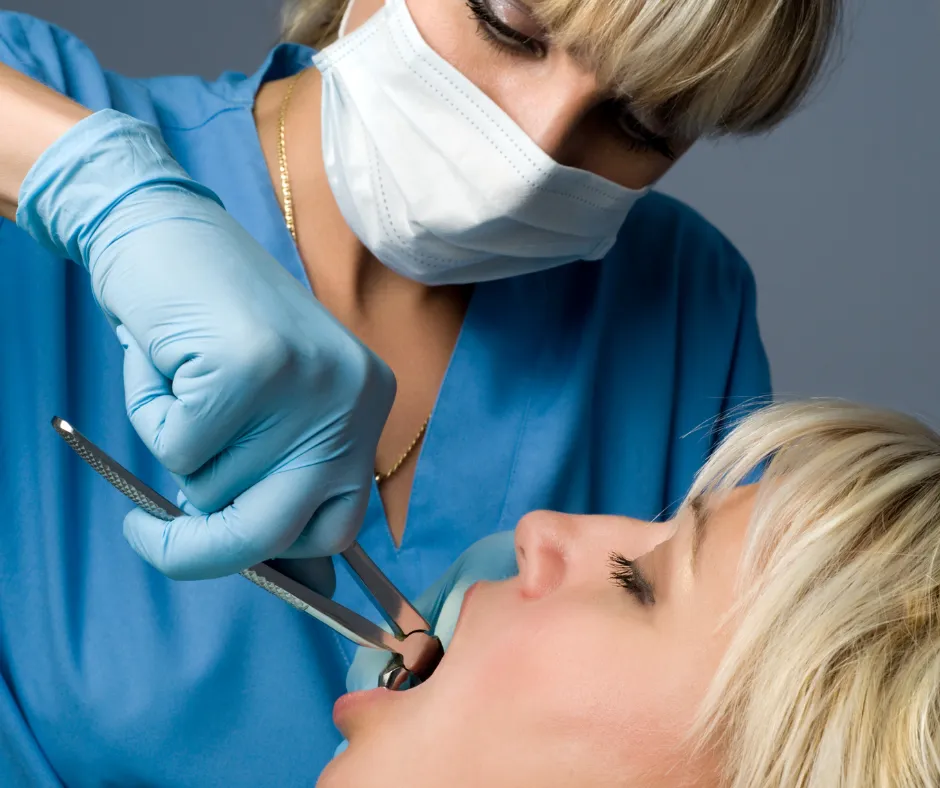
Why Diet Matters After Tooth Extraction
After a tooth extraction, your mouth needs time to form a stable blood clot and begin the natural healing process. Eating the wrong foods or chewing too vigorously can dislodge the clot, leading to a painful complication called dry socket. By selecting gentle, nutrient-rich options, you can:
- Protect the Extraction Site
- Avoid disturbing the blood clot that seals the socket
- Lower risk of bleeding, swelling, and infection
- Reduce Discomfort
- Soft, cool or room-temperature foods are less irritating
- Numbness from anesthesia may make chewing of hard foods risky
- Support Faster Recovery
- Nutrient-dense foods supply vitamins and protein essential for tissue repair
- Hydration aids overall healing and comfort
- Maintain Overall Nutrition
- Balanced meals help you sustain energy levels while eating restrictions are in place
Stage 1: The First 24–48 Hours (Clear Liquids & Very Soft Foods)
Clear Liquids
Immediately after extraction (first 24 hours), stick to clear liquids to prevent disturbing the clot:
- Water (room temperature or slightly cool)
- Broth (chicken, beef, or vegetable—cooled)
- Herbal or Decaffeinated Tea (lukewarm, without lemon or milk)
- Clear Fruit Juices (apple juice or diluted cranberry juice, no pulp)
Very Soft Foods
As soon as you feel comfortable sipping, introduce very soft items that require minimal chewing:
- Gelatin Desserts
- Ice Pops (avoid pops with seeds or acidic flavors such as citrus)
- Plain Yogurt (unsweetened or lightly sweetened; avoid granola or add-ins)
- Smooth Protein Shakes (ensure they’re not too thick; sip gently)
⚠️ Tip: Use a spoon or straw cautiously. Avoid sucking motions to prevent dislodging the clot.
Stage 2: Days 3–5 (Soft, Pudding-Like & Pureed Foods)
Once the initial bleeding subsides and swelling begins to reduce (usually 2–3 days post-extraction), you can advance to soft, nutrient-packed foods:
Soft, Pudding-Like Foods
- Mashed Potatoes (avoid chunks; mash until silky-smooth)
- Applesauce (unsweetened if possible)
- Pudding or Custard (vanilla or chocolate—no crunchy toppings)
- Oatmeal or Cream of Wheat (cook until very soft; let it cool before eating)
Pureed and Blended Foods
- Pureed Soups (e.g., butternut squash, tomato bisque—strain out any solids)
- Smooth Hummus (avoid coarse chickpea chunks; it’s excellent for protein and healthy fats)
- Avocado Puree (rich in healthy fats and vitamins)
- Refried Beans (mash until creamy; good source of protein)
🥣 Tip: Season sparingly with salt and avoid hot spices. Always let foods cool to lukewarm before consuming.
Stage 3: Days 5–10 (Soft Solids & Gentle Chewing)
After about five days, most swelling has decreased, and the clot is stable. You can start incorporating soft solids that require light chewing:
Soft Solids
- Scrambled Eggs (fully cooked and fluffy)
- Fish (e.g., tilapia, cod—baked or steamed until flaky, no bones)
- Soft Cooked Pasta (macaroni or small noodles, cut into bite-sized pieces)
- Soft Rice or Quinoa (well-cooked; avoid crunchy or undercooked grains)
- Soft Cheese (cottage cheese or ricotta; avoid hard, aged cheeses)
Gentle Chewing Foods
- Soft-Cooked Vegetables (carrots, zucchini, or squash—steamed until very tender)
- Soft Fruits (banana slices, ripe melon pieces—cut into small cubes)
- Tofu (silken or soft tofu—season lightly)
🥑 Tip: Continue avoiding crunchy, hard, or sticky foods. Chew on the side opposite the extraction whenever possible.
Foods to Avoid After Tooth Extraction
Avoiding certain foods is as crucial as selecting the right ones. The following can disrupt healing or cause pain:
- Crunchy/Hard Foods
- Chips, nuts, popcorn, raw carrots
- Can become lodged in the socket and irritate tissue
- Sticky/Chewy Foods
- Caramel, taffy, gum, certain candies
- May stick to the extraction site and pull the clot
- Spicy Foods
- Hot chilies, curries, salsa
- Can irritate the wound and delay healing
- Acidic Foods & Beverages
- Citrus fruits, tomato-based sauces, vinegar-based dressings
- May cause stinging or discomfort when in contact with exposed tissue
- Hot Foods & Drinks
- Coffee, tea, soup straight from the stove
- High temperatures can dissolve or dislodge the clot
- Alcohol & Carbonated Beverages
- Can increase bleeding risk and impair clot stability
Sample Meal Ideas
Breakfast (Day 3+)
- Smoothie Bowl: Blend banana, smoothie yogurt, and a handful of spinach. Top with softened berries (no seeds) and a drizzle of honey.
- Soft Oatmeal: Cook oats with milk until creamy. Stir in mashed banana and a teaspoon of nut butter.
Lunch
- Pureed Vegetable Soup: Butternut squash soup blended until velvety. Serve with a scoop of Greek yogurt swirled in.
- Avocado Toast on Soft Bread: Mash ripe avocado, season lightly, and spread on a thin slice of very soft bread. Cut into small pieces.
Snack
- Cottage Cheese & Soft Fruit: Mix cottage cheese with diced ripe peaches or pears.
- Applesauce with Cinnamon: Enjoy unsweetened applesauce sprinkled with a dash of cinnamon.
Dinner
- Mashed Potatoes & Flaky Fish: Serve creamy mashed potatoes with baked cod, flaked into small pieces. Add steamed, well-cooked zucchini on the side.
- Soft Pasta Primavera: Cook small pasta shapes until very soft. Toss with a mild, smooth tomato sauce (strained) and pureed vegetables.
🍵 Beverage Suggestion: Herbal tea (lukewarm) or room-temperature water infused with cucumber slices.
Additional Tips for a Smooth Recovery
- Maintain Good Oral Hygiene
- Gently rinse with a saltwater solution (½ teaspoon salt in 8 oz. warm water) starting 24 hours after extraction
- Avoid vigorous swishing; opt for gentle dipping of the liquid
- Manage Pain & Swelling
- Take prescribed or over-the-counter pain relievers (e.g., ibuprofen) as directed
- Apply a cool compress (wrapped in a clean cloth) to the cheek for 10–15 minutes at a time
- Stay Hydrated
- Aim for at least 6–8 cups of water daily (unless otherwise instructed)
- Proper hydration supports tissue repair and reduces dry mouth
- Avoid Straws & Smoking
- Sucking can dislodge the clot and cause dry socket
- Smoking impairs blood flow and delays healing
- Follow Dental Instructions
- Stick to any additional advice your dentist provides regarding stitch care or prescribed mouthwash
- Attend follow-up appointments to ensure proper healing
Choosing the right foods after a tooth extraction directly impacts your comfort and the speed of your recovery. Start with clear liquids and very soft foods, gradually progressing to soft solids and gentle-chewing options. Avoid hard, crunchy, spicy, or sticky foods until your extraction site is fully healed. Pair these dietary guidelines with proper oral hygiene and follow-up care to minimize complications and get back to your normal diet as quickly as possible.
Remember: Always consult your dentist if you notice unusual pain, prolonged bleeding, or any signs of infection. A properly managed diet after tooth extraction sets the stage for a smooth, complication-free healing process.