
NOW ACCEPTING NEW PATIENTS
Teeth Whitening in Wethersfield, CT
Brighter Smile. Same-Day Results.
25+ Years Serving CT | ADA Member Practice | Professional-Grade Whitening | Most Insurance Accepted
Why it matters
Why Professional Teeth Whitening Produces Better Results Than Over-the-Counter Alternatives
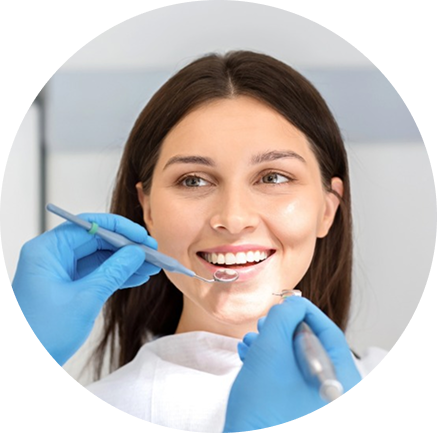
Tooth discoloration is one of the most common cosmetic concerns our Wethersfield patients bring to Family Dental Center of Connecticut—and professional teeth whitening is the most immediate, predictable solution available. Unlike over-the-counter whitening strips, trays, or toothpastes, professional whitening treatments use clinically proven concentrations of hydrogen peroxide or carbamide peroxide that penetrate deep into the enamel to break down embedded chromogenic stains—the molecules responsible for tooth discoloration.
Professional whitening delivers results measurably superior to pharmacy products in both the degree of whitening and the consistency of results across all visible teeth. At Family Dental Center of Connecticut, Dr. Kasabji and Dr. Engelhardt offer both in-office whitening (for immediate, single-visit results) and custom take-home whitening kits (for gradual, comfortable whitening at your own pace)—or a combination of both for the most complete outcome.
Professional teeth whitening is most effective for:
Professional teeth whitening does not lighten existing dental restorations — composite fillings, porcelain crowns, veneers, and bonding material will remain at their original shade. If whitening is planned before new restorations are placed, the whitening must be completed first so the new restoration can be shade-matched to your whitened enamel.
Age-Related Yellowing
Enamel naturally thins and darkens with age; whitening reverses this gradual discoloration effectively
Food and Beverage Staining
Coffee, tea, red wine, and dark-colored foods are the most common sources of surface and embedded enamel staining
Tobacco Staining
Nicotine and tar create some of the most persistent tooth staining; professional whitening significantly improves tobacco-related discoloration
Medication Staining
Certain antibiotics (particularly tetracycline) and other medications can cause intrinsic staining; professional whitening helps though severe tetracycline staining may require veneers
Pre-cosmetic treatment brightening
Whitening before dental bonding, veneers, or crowns ensures all restorations are shade-matched to your brightest natural tooth color
Our Services
Teeth Whitening Options at Family Dental Center of Connecticut
We offer two professional whitening options, available individually or combined for the fastest and most complete whitening result.

In-Office Professional Whitening (Single Visit)
In-office whitening delivers the most immediate whitening result available — typically achieving 6 to 10 shades of improvement in a single appointment. A high-concentration professional whitening gel is applied directly to the teeth and activated, with results visible immediately after the appointment.

Gum tissue and soft tissue are protected with a barrier before gel application begins
Professional-strength whitening gel applied to tooth surfaces in controlled intervals
Results visible immediately after the single visit — no waiting, no gradual buildup
A take-home maintenance kit provided to extend and maintain your in-office result
Custom Take-Home Whitening Trays
Custom whitening trays fabricated from digital impressions of your teeth provide a more comfortable, gradual whitening experience at home. The professional-grade whitening gel dispensed with our take-home kits is significantly stronger than anything available over the counter — and because the trays fit precisely over your teeth, the gel contacts every tooth surface evenly for a consistent result.
Precise digital impressions or digital scans taken to fabricate trays that fit exactly over your teeth
Professional whitening gel dispensed in the prescribed concentration for your sensitivity level and whitening goals
Typically worn 30 to 60 minutes per day for 2 to 4 weeks depending on the degree of whitening desired
Trays can be reused indefinitely — replacement whitening gel available from our Wethersfield office as needed
Book Your Teeth Whitening Appointment
Why Family Dental Center
Whitening That Starts With a Clinical Examination.
01.
We Examine First -- Then Whiten
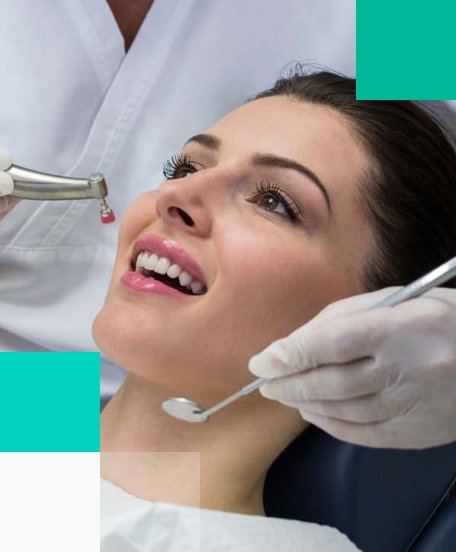
Every whitening patient at Family Dental Center of Connecticut begins with a clinical examination. Active decay, failing restorations, or exposed root surfaces must be addressed before whitening—applying whitening gel to a tooth with an open cavity causes significant sensitivity and is clinically inappropriate. We do not perform whitening without first confirming the teeth are healthy enough to receive it.
02.
Sensitivity Managed Before It Becomes a Problem
Tooth sensitivity is the most common side effect of whitening. We assess your baseline sensitivity before treatment and recommend pre-treatment desensitizing products when warranted. Our take-home kits include sensitivity-minimizing gel formulations for patients with naturally more sensitive enamel or exposed dentin.
03.
Shade Guidance for Patients Planning Further Cosmetic Work
If you are planning dental bonding, veneers, or crown placement after whitening, the sequencing matters critically. Whitening must be completed and the shade allowed to stabilize (typically 2 to 4 weeks) before selecting a new restoration shade. We plan this sequence for every patient combining whitening with other cosmetic treatments.
6-10
Shades of improvement with a single in-office whitening appointment
2-4
Weeks for complete custom take-home whitening tray results
25+
Years of cosmetic dental care in Wethersfield and Hartford County, CT
100%
Clinical examination completed before any whitening treatment begins
Our Services
Meet The Dentists Providing Your Whitening Treatment
Together, Dr. Kasabji and Dr. Engelhardt have provided professional teeth whitening to patients across Wethersfield, Glastonbury, Newington, Rocky Hill, and the wider Hartford County community for over 25 years — both as standalone cosmetic treatments and as the first step in more comprehensive smile makeover plans.
Dr. Kasabji
Dr. Kasabji’s restorative expertise informs his approach to whitening treatment planning — ensuring the teeth receiving treatment are clinically healthy, that existing restorations are accounted for in the shade plan, and that any future cosmetic procedures are sequenced correctly around the whitening timeline.
Dr. Engelhardt
Dr. Engelhardt takes time at every whitening appointment to set realistic expectations for the degree of improvement achievable with each patient’s specific starting shade and stain type. Not all discoloration responds equally to whitening — and patients who understand this leave with accurate expectations and more consistent satisfaction with their result.
Teeth Whitening FAQs
Wethersfield Patients Ask
Don't see your question?
Call our Wethersfield office — our team will answer any question about your care. No obligation to book. (860) 430-4388 | Book Online
How long do teeth whitening results last?
Professional teeth whitening results typically last 1 to 3 years, depending on diet, tobacco use, and oral hygiene habits. Coffee, tea, red wine, and tobacco are the primary contributors to re-staining after whitening. Using a custom take-home maintenance kit with periodic touch-up whitening sessions (typically a few nights every 6 to 12 months) is the most effective strategy for maintaining your whitened shade over the long term.
Is teeth whitening safe?
Yes — professional teeth whitening performed under clinical supervision is safe for most patients with healthy teeth and gums. Whitening is not recommended for patients with active decay, exposed root surfaces, significant enamel erosion, or those who are pregnant. Temporary tooth sensitivity is the most common side effect and typically resolves within 24 to 48 hours after each whitening session.
Will whitening work on my crowns or veneers?
No. Whitening agents do not affect porcelain, zirconia, composite resin, or other dental restoration materials. Crowns, veneers, and composite fillings will remain at their original shade after whitening. If your existing restorations are prominently visible in your smile, discuss this with Dr. Kasabji or Dr. Engelhardt before whitening — the shading relationship between whitened natural teeth and unchanged restorations needs to be considered before treatment begins.
How do I maintain my whitening results at home?
Rinse with water immediately after consuming coffee, tea, red wine, or other staining foods and beverages. Use a whitening maintenance toothpaste (non-abrasive formula) for daily brushing. Attend professional dental cleanings twice per year — polishing at each cleaning removes surface stains before they embed. Use your custom take-home whitening trays for 1 to 2 nights every 6 months to maintain your target shade without retreating from a significantly darker baseline.
Is teeth whitening covered by dental insurance?
Professional teeth whitening is classified as a cosmetic procedure and is typically not covered by dental insurance. The cost varies depending on whether you choose in-office whitening, a custom take-home kit, or a combination of both. Our team provides a clear cost estimate at your consultation. For patients planning a broader smile makeover, we review all treatment costs together so you can plan the full investment in advance.
Our Testimonials
What Our Dental Patients Say
Ratings – 5
Ruth R.
Patient
Am comfortable, feel safe. Dentists are excellent and explain everything. Willing to wait when necessary. Thanks
Jose A.
Patient
They do a great job making you comfortable and always gives you the scoop up front . That’s how a dentist should act !
Renee D.
Patient
I have been going to Dr. Engelhardt & Dr Kasabji for many years. They are both kind, gentle and supportive. I would recommend their services.
Our Testimonials
What Our Dental Patients Say
Ratings – 5
Ruth R.
Patient
Am comfortable, feel safe. Dentists are excellent and explain everything. Willing to wait when necessary. Thanks
Jose A.
Patient
They do a great job making you comfortable and always gives you the scoop up front . That’s how a dentist should act !
Renee D.
Patient
I have been going to Dr. Engelhardt & Dr Kasabji for many years. They are both kind, gentle and supportive. I would recommend their services.
Get Started Today
Schedule Your Teeth Whitening Appointment in Wethersfield, CT
Professional teeth whitening is one of the fastest and most affordable ways to meaningfully improve the appearance of your smile – with results that are visible immediately after a single in-office appointment. If years of coffee, tea, or age-related yellowing have been affecting how you feel when you smile, a professional whitening treatment at Family Dental Center of Connecticut can reverse years of staining in a single visit.
We welcome whitening patients from Wethersfield, Glastonbury, Newington, Rocky Hill, and across Hartford County. New patients are always welcome. Whitening appointments are available Monday through Friday, with Saturday appointments available by arrangement.